






Hong Kong Hospitality Human Resources Management System

Built for hotel and clubhouse groups with 100 to over 1,000 employees.

Real-time tracking of the "468 Rule", unified multi-location roster planning, automated payroll calculation for four employment types (Full-time, Part-time, Casual, and Outsourced), and direct eMPF submission—all within a single integrated platform.

Book a Demo 14-Days Free Trial

Four Employment Types & Dual Regulatory Pressures: The Compliance Reality of HK's Hotel Industry

Hong Kong's hotel industry operates one of the most complex employment structures in the service sector. With full-time, part-time, casual, and outsourced workers all under one roof, layered on top of dual regulatory demands — rolling 468-rule working hour tracking and the full rollout of eMPF — traditional manual HR management is no longer a sustainable solution.

The "468 Rule" Challenge

Under the Hong Kong Employment Ordinance (Cap. 57), if an employee works for at least 18 hours per week for 4 consecutive weeks (accumulating 68 hours), a Continuous Contract is automatically triggered. The employee is then legally entitled to full statutory benefits, including paid annual leave, sickness allowance, severance payment, and long service payment. Since casual and part-time hours fluctuate significantly between peak and off-peak seasons, HR departments find it impossible to manually track every employee's rolling hours.

eMPF

The full implementation of the eMPF Platform significantly raises the bar for monthly MPF submission accuracy. Delays or errors result not only in financial penalties but also in a domino effect of payroll corrections and damage to corporate reputation.

Four Employment Types, Each with Distinct Compliance Requirements

Hong Kong hotels typically have one of the most complex workforce structures in the service industry. The four employment types each have different requirements for MPF contributions, statutory holiday entitlements, and overtime pay calculations. Even a small error can result in more than direct back-pay costs, it can also lead to significant time and resources spent handling Labour Tribunal proceedings and disputes.

Fulltime- Employees Part-time Employees Daily-rated / Casual Employees Subcontracted Employees
Monthly salaried, with full statutory leave and employee benefits Must track a rolling 4-week working-hour period to ensure they do not exceed the 68-hour continuous contract threshold Daily wages are calculated independently; ADW is calculated based on 12 complete wage periods A tripartite employment relationship; emphasise the statutory employer (contracting company) reporting obligations

The Biggest HR Challenges Hotels Face Today.

No warning before employees cross the Rule 468 threshold

Most rostering systems only show hours worked—they don't warn you when an employee is approaching the Rule 468 eligibility threshold. By the time HR spots the issue, the employee may have already qualified for continuous contract benefits.

Preventing a compliance breach costs far less than paying for one.

Last-minute staff no-shows leave teams in a scramble

When casual workers call in sick or don't show up, managers are left manually messaging staff to find replacements. With little notice and limited options, filling a vacant shift can take up to an hour putting daily operations under pressure.

Every unfilled shift impacts guest experience, service quality, and the hotel's reputation.

Multi-property workforce management becomes an administrative burden

Different hotel locations often have different shift schedules, attendance rules, and allowance policies. Every time an employee is reassigned, HR must manually update payroll and attendance settings creating unnecessary work and increasing the risk of errors.

The more properties you manage, the more time HR spends on administration instead of strategic work.

Complex pay rules turn every payroll run into a compliance risk

Managing monthly, weekly, daily-paid, and casual employees, along with overtime, peak-hour allowances, bad weather pay, service charge distribution, and ADW calculations creates a payroll process full of manual checks and potential errors. One mistake can quickly escalate into employee disputes or Labour Department complaints.

Payroll mistakes don't just create corrections they create disputes, compliance risks, and unnecessary costs.

Disconnected workforce data makes monthly reconciliation painful

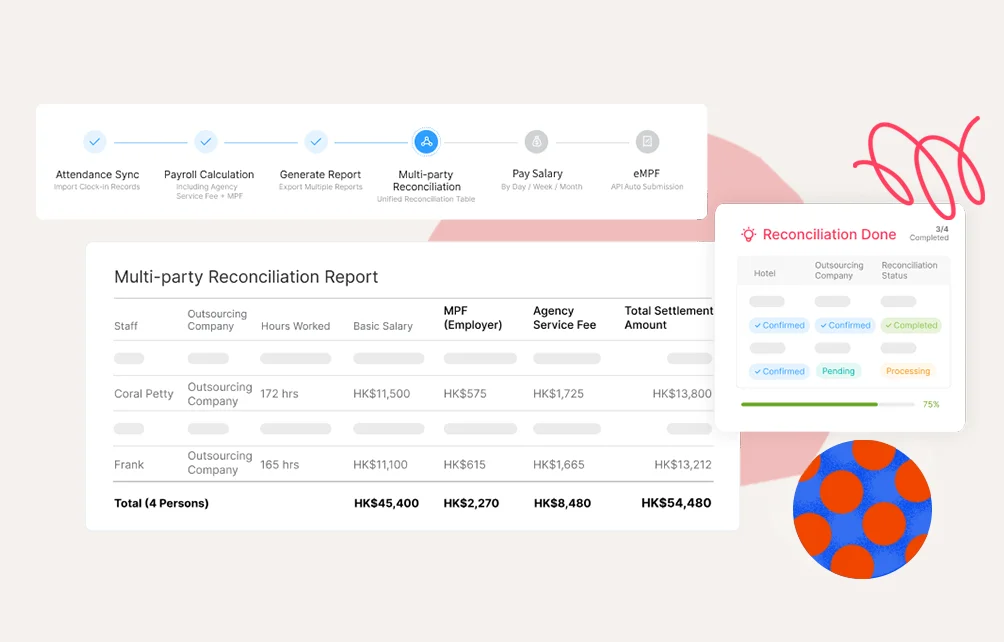
Hotels, labour agencies, and casual workers often rely on separate attendance and roster records, making discrepancies almost unavoidable. Payroll reconciliation becomes time-consuming, while MPF contribution errors can expose both agencies and hotels to compliance risks.

Hours spent reconciling three sets of records every month still can't eliminate compliance risk.

eMPF and annual tax reporting create months of admin pressure

Different MPF schemes, contribution rules, daily-rated employees, and exemption periods all require manual verification before submission to the eMPF platform. During tax season, preparing multiple IR56 forms adds another layer of admin work, increasing the risk of missed deadlines and reporting errors.

The real cost of reporting errors isn't just penalties but the time spent fixing payroll records afterward.

Workstem Easily Solves Hotel HR Management Challenges

Designed for Hong Kong’s hotel industry, Workstem helps hotels stay compliant with the Employment Ordinance and industry requirements through Rule 468 continuous contract tracking, multi-location rostering, automated payroll for all employee types, smart attendance, eMPF submission, and labour cost analytics, all in one platform to improve HR efficiency.

Book a Demo 14-Days Free Trial

Real-time rostering alerts with custom actions after Rule 468 trigger

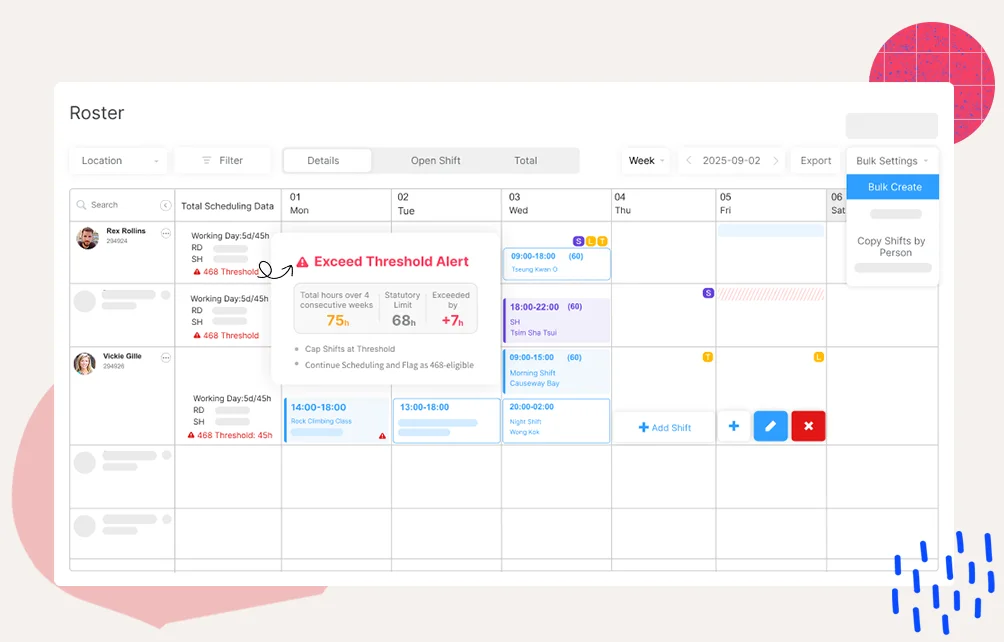
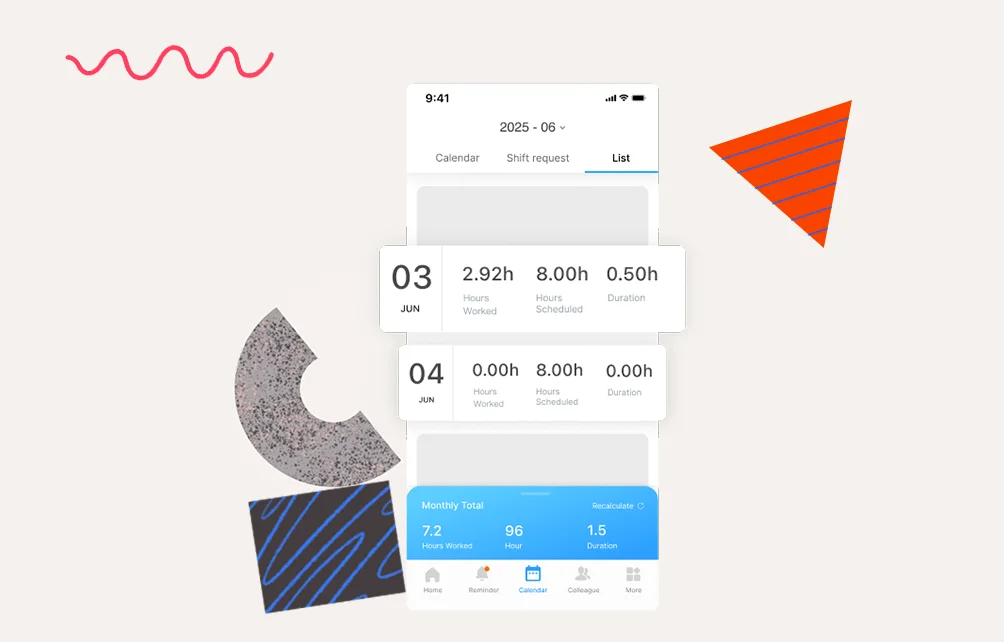
The system tracks each employee’s 4-week rolling hours and alerts managers before reaching the 68-hour Rule 468 threshold. Hotels can choose to stop scheduling or continue while the system flags continuous contract eligibility. Managers gain instant visibility through Rule 468 reports, while employees can check their own hours via the Workstem One App.

Rule 468 compliance risk managed during rostering with flexible actions and real-time visibility for both management and employees

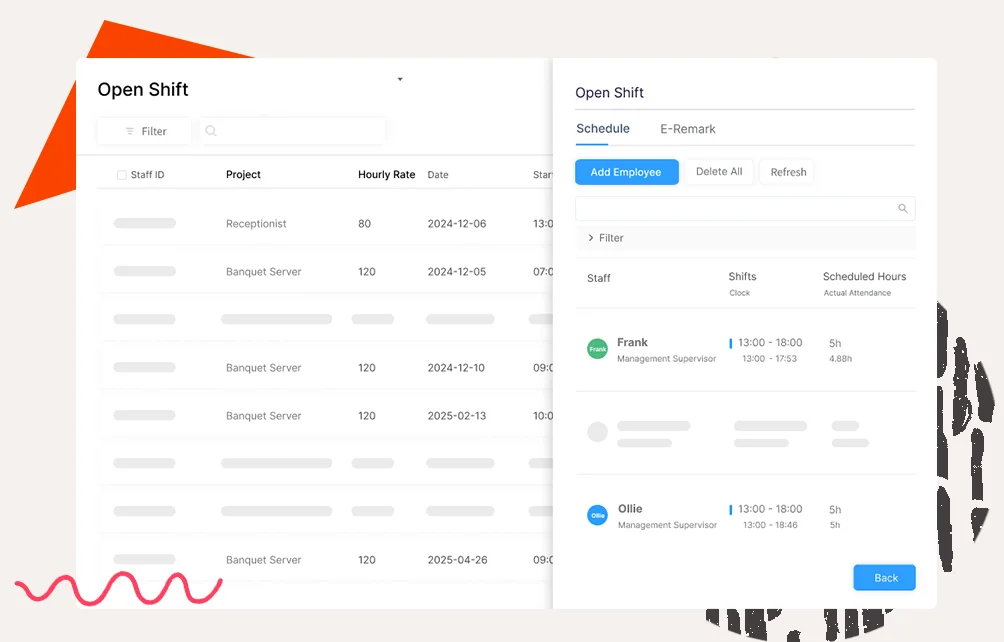
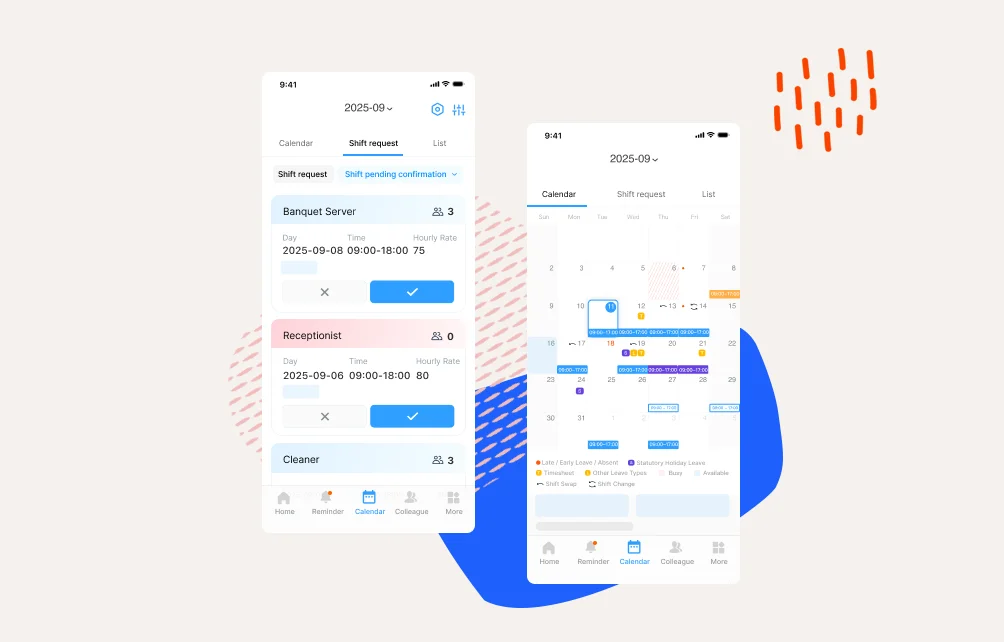
Employees self-claim open shifts while managers approve replacements instantly

Once a roster is published, eligible employees receive instant notifications through the Workstem One App and can claim available shifts themselves. Managers can quickly review claim records and confirm suitable replacements without contacting employees individually ensuring smooth operations.

Employees fill open shifts themselves—reducing last-minute staffing pressure.

Centralised multi-location rostering with auto rule switching

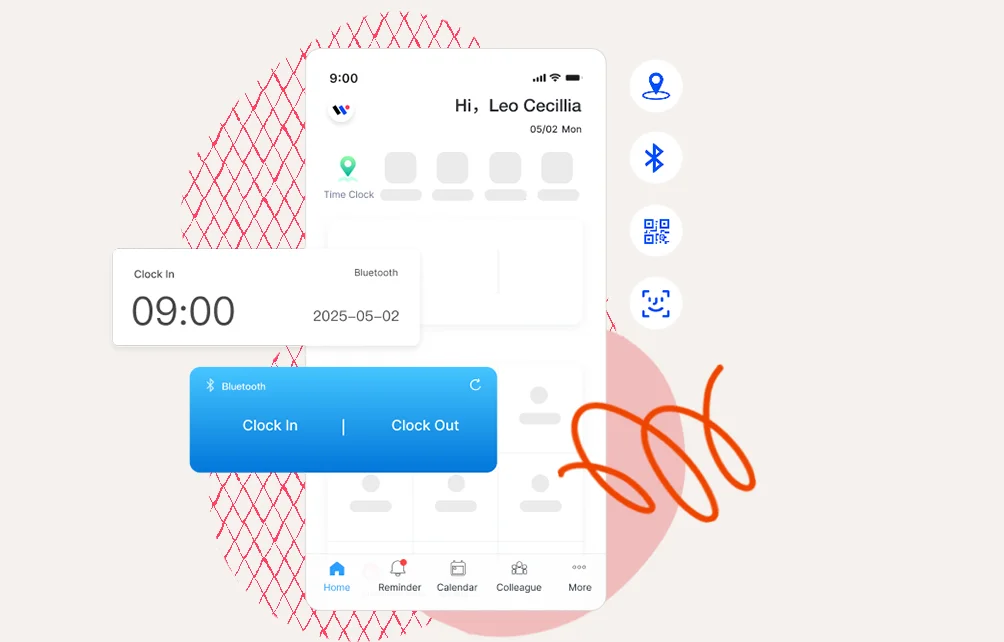
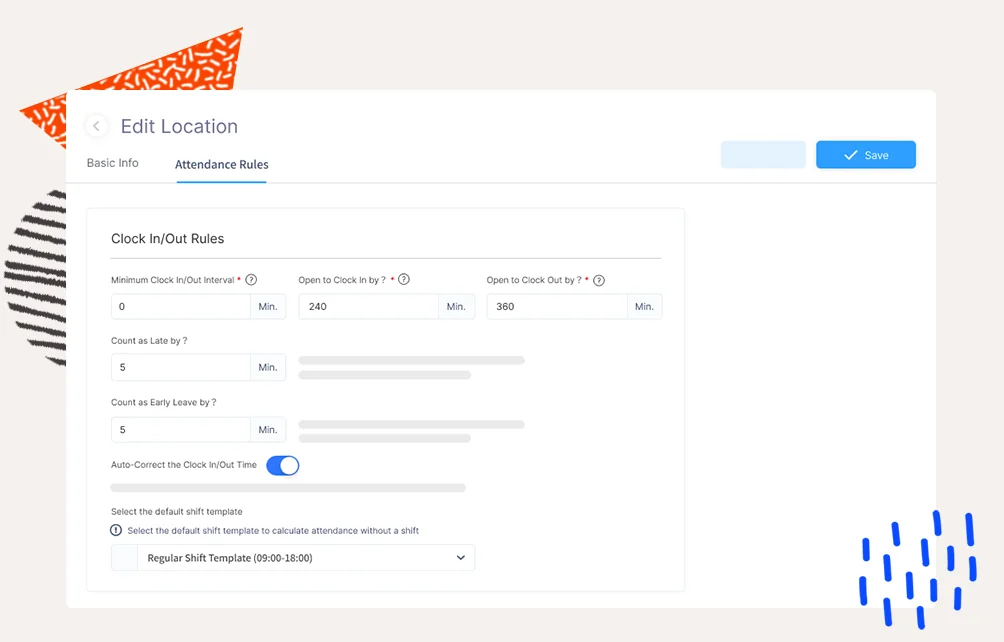
Supporting multi-company structures, the system allows each property to configure its own attendance methods (GPS tracking, Bluetooth, QR codes, facial recognition) and allowance rules. When employees are assigned to a new location, the system automatically applies the relevant attendance and payroll rules without manual updates.

Cross-location transfers are made simple, rules and calculations follow employees automatically.

AI payroll engine automates all pay types and ADW calculations

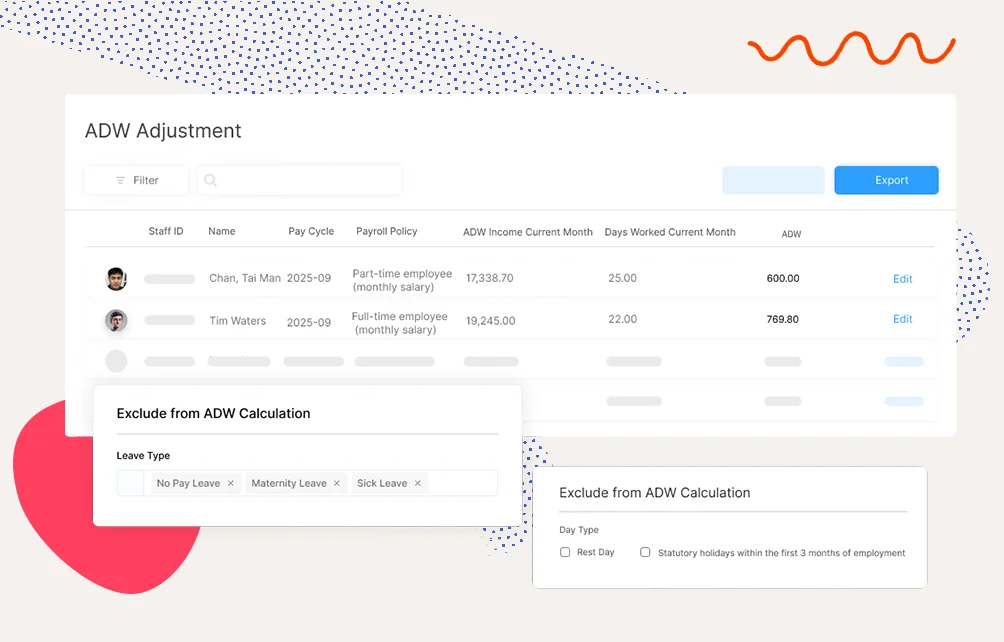
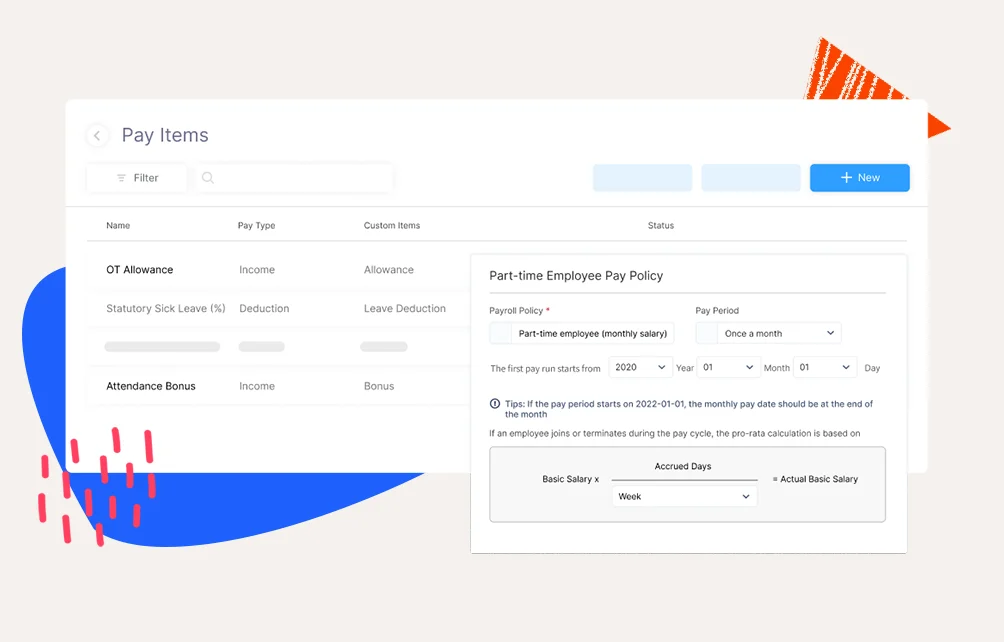
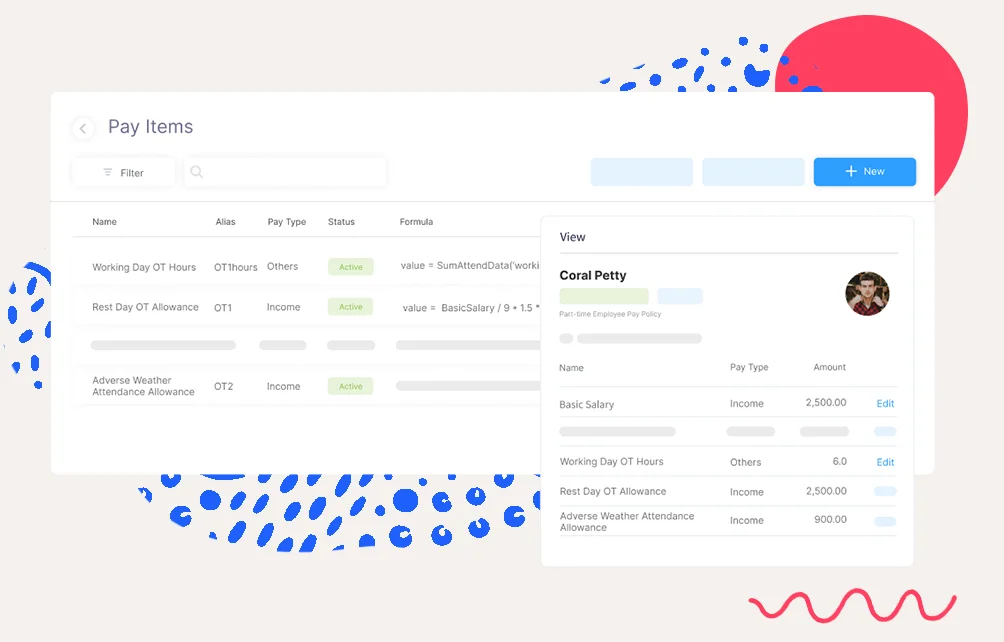
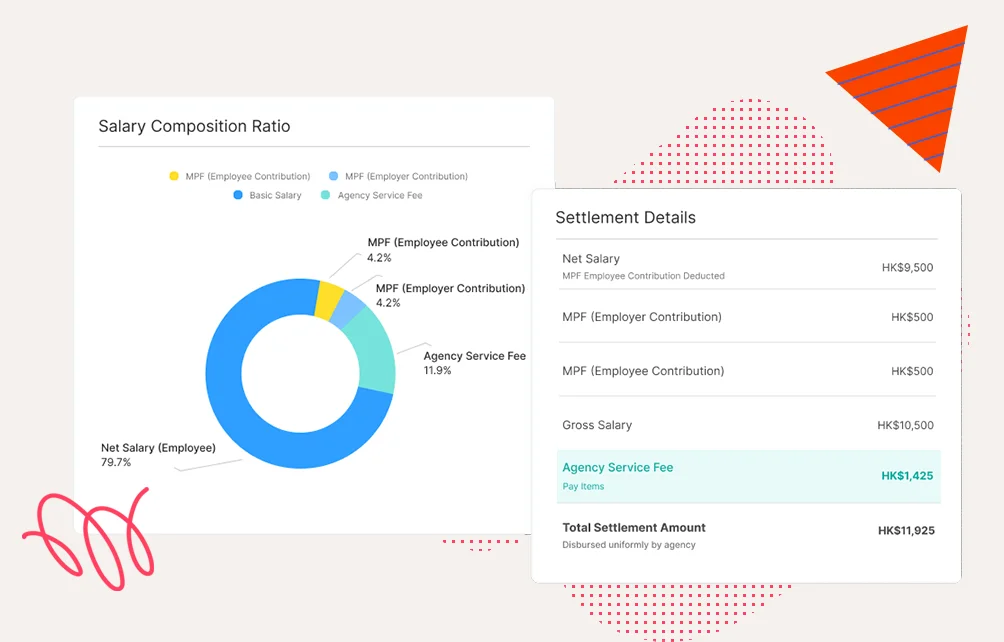
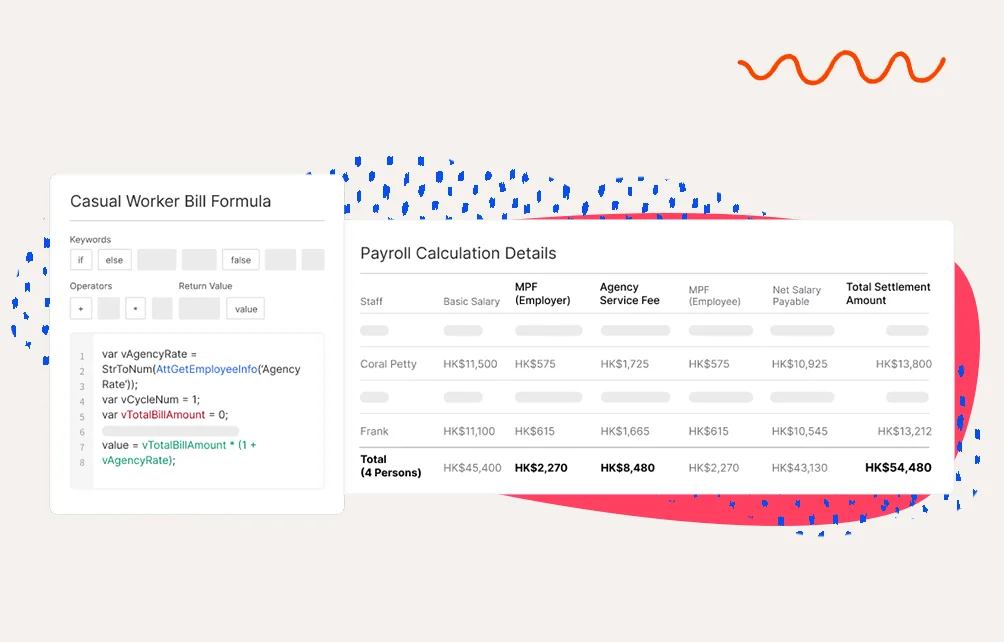
The AI payroll engine automatically verifies employee profiles, roster records, attendance, and leave data to calculate payroll based on each employee’s pay structure. From basic wages, overtime payments, ADW (Average Daily Wage), sickness allowance, adverse weather payments, and service charge distribution, all pay items are calculated automatically without manual checking.

Automated payroll and ADW calculations reduce errors and payroll workload.

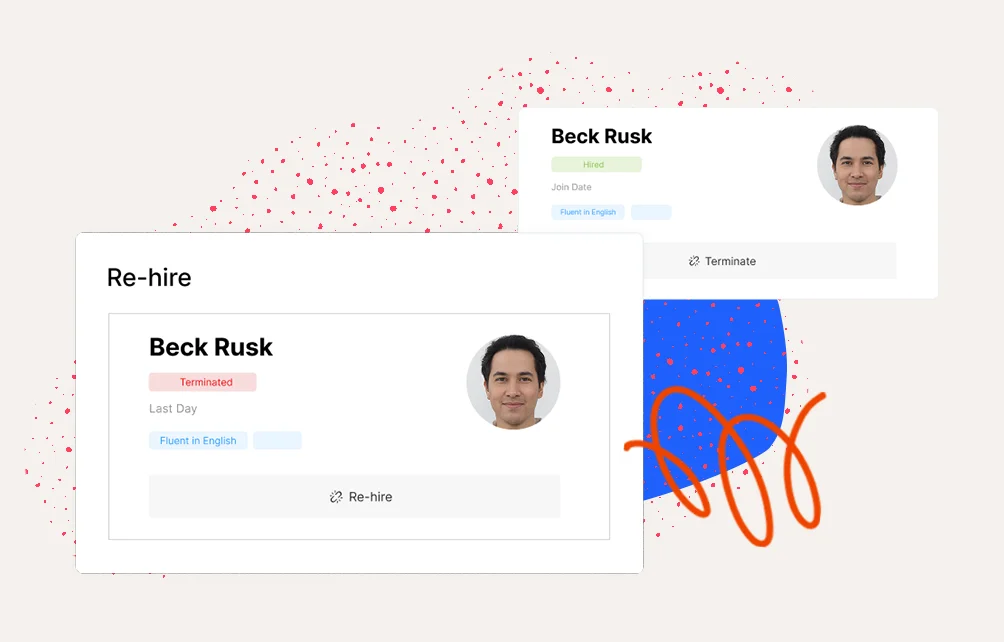
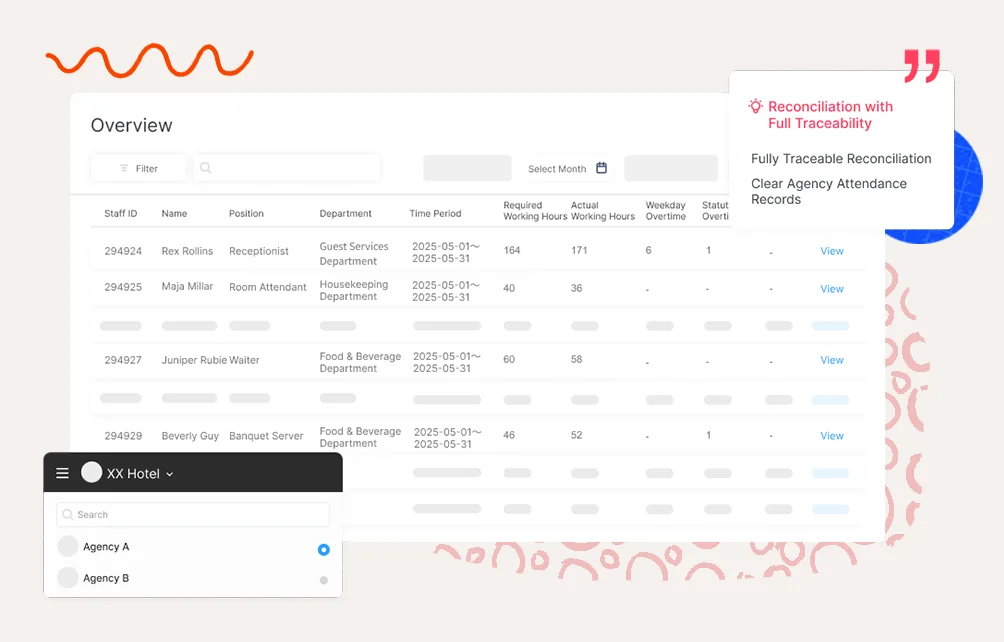
Independent outsourced worker records enable transparent 3 way verification

The system maintains separate attendance and payroll records for outsourced workers, allowing hotel HR teams to view outsourced employee attendance in real time. Statutory employers (outsourcing companies) can also verify employee records through the system, ensuring all three parties have traceable data during MPF reporting.

Complete three-way records simplify MPF reconciliation and improve compliance visibility.

Direct eMPF submission with automated IR56 forms generation

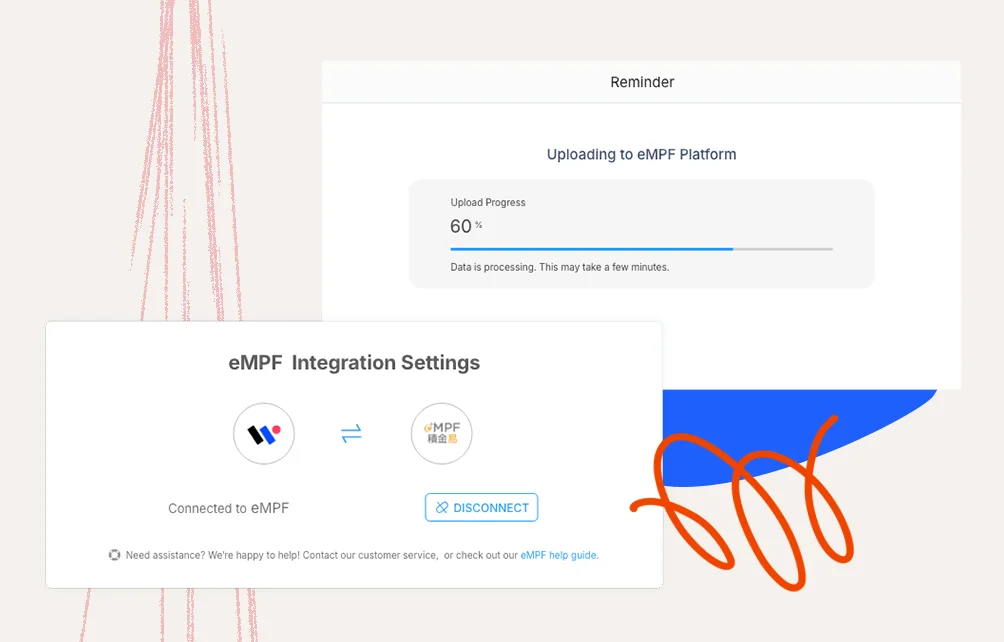
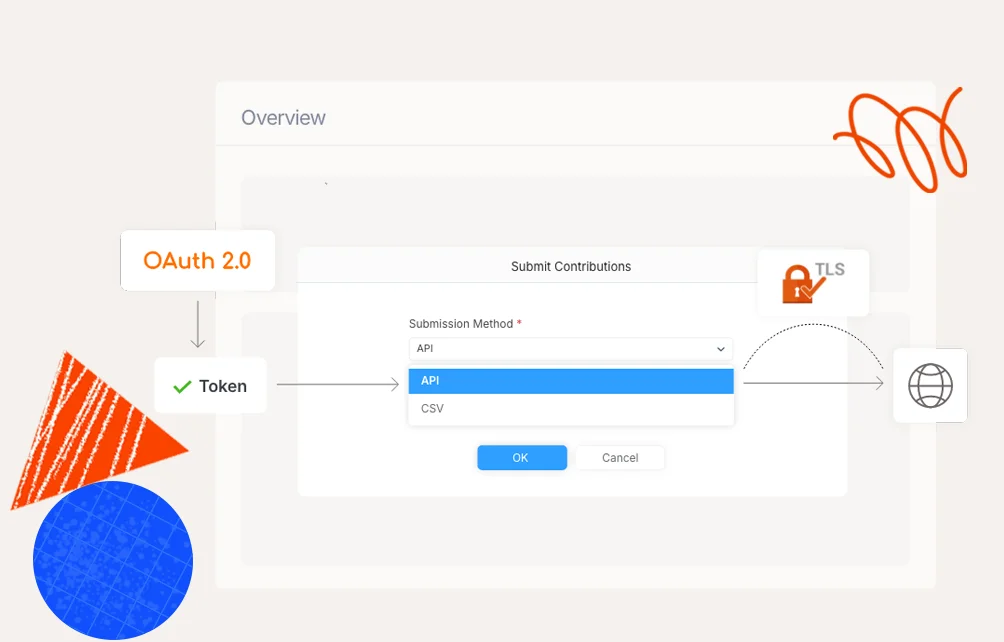
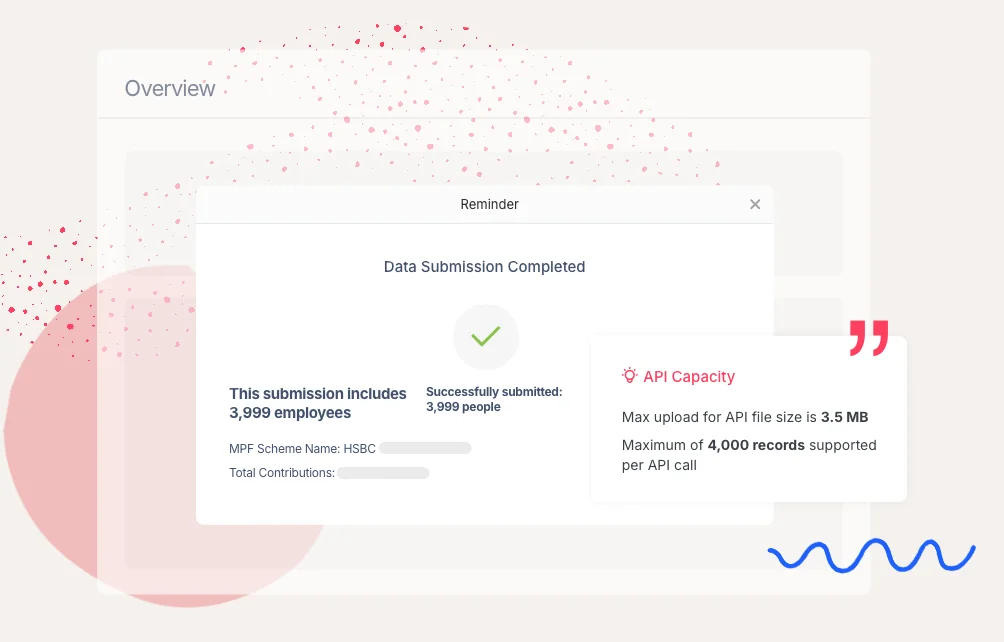
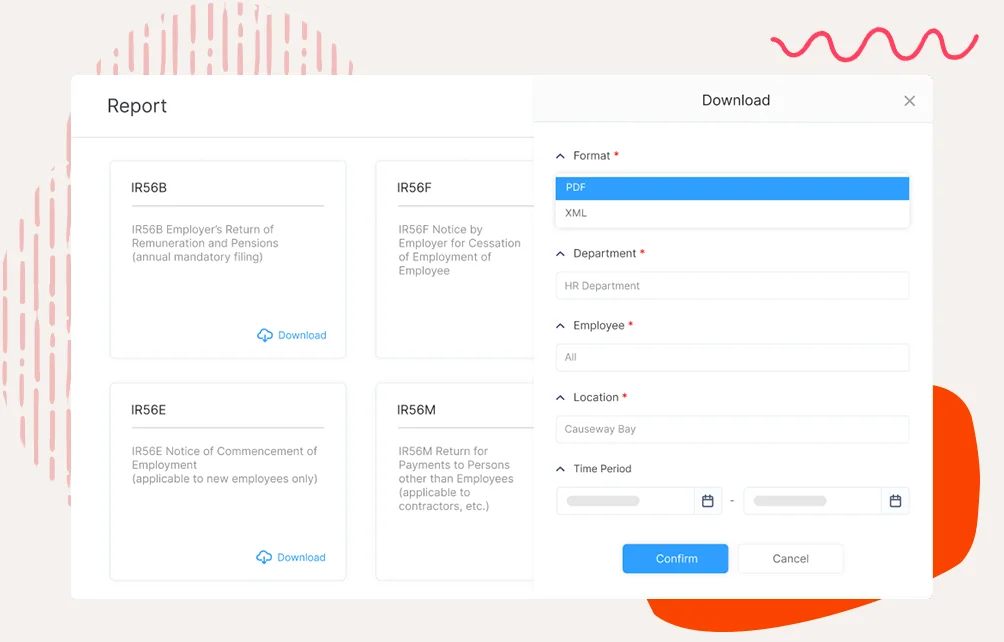
MPF data is directly linked to payroll records, allowing HR teams to submit through API integration or CSV upload to the eMPF platform after verification (choose either method based on preference). Multiple IR56 forms are automatically generated based on annual payroll records in formats compliant with IRD eTAX requirements, eliminating manual preparation.

Automated MPF and IR56 reporting improves accuracy and reduces HR workload.

Book a Demo 14-Days Free Trial

What Hospitality HR Directors Say About Workstem

The system provides real-time alerts right at the rostering stage when an employee's hours approach the 468 threshold. This allows us to adjust shifts proactively during planning, rather than discovering issues during payroll calculation. This feature has transformed our compliance management from passive damage control into proactive prevention. For a group like ours managing four employment types across multiple branches, the time saved on compliance alone has been significant.

Trusted by 2,000+ Hong Kong businesses — including F&B groups, major retailers and cross-border enterprises. Our largest clients manage 5,000+ employees across multiple entities on a single platform.

After School
SEOUL NOODLE SHOP
田浦良肉
TAITO STATION
Eye Level
SAMSEN
博康康文
威信服務
BA&SH
KANEBO
多多國際幼兒園暨幼稚園
启德
GreenPrice
香港中旅發展有限公司
LY BAKERY
尚品花胶
Tennis Hong Kong 香港網球總會
Built-in Pro
AIA Carnival
Women Centre 香港婦女中心協會
Mabuchi Motor 萬寶至馬達
Runway 1331 啟航1331
D H Chen Foundation 陳廷驊基金會
Yidan Prize 一丹獎
CITA
i-Bnest
Phase Scientific
9GAG
e-Panashop
B.S.C. Group Limited
URBAN REVIVO
Frites
Amber Medical
Alexander Wang
Pizza Maru
Peticare
NOC
BXG
New World Mart
Blue Bottle Coffee
Casetify
Ruby Tuesday

Frequently Asked Questions

How does the system ensure the 468 working hours threshold is not breached during rostering? How does it handle a trigger?

Workstem displays each employee’s 4-week rolling hours balance directly on the roster interface and alerts managers when it approaches 68 hours. Once triggered, it supports two hotel-configured modes: “Block Overtime Rostering” or “Proceed and Tag as Continuous Contract Eligible”. Management can monitor contract statuses via 468 hours reports, and employees can track their hours on the mobile app.

Can Full-time, Part-time, Casual, and Outsourced employees be managed in the same system with independent payroll rules?

Yes. Workstem allows all four employment types to coexist seamlessly, with independent rules configured for monthly salaries, weekly wages, daily rates, and outsourced billing. The AI payroll engine automatically applies the correct rules to each category, eliminating manual sorting at the end of the month.

How does eMPF submission integrate with the existing payroll workflow? Do we need to create a separate database?

No separate database is needed. MPF data is derived directly from Workstem’s payroll records. Once HR approves the payroll numbers, you can choose to submit them directly via API or export a CSV file for upload to the eMPF platform. All submission logs are securely archived in the system.

We operate a hotel group chain with multiple branches and distinct rules. Can they be managed centrally?

Yes. Workstem supports multi-company and multi-branch architectures. Each location can independently set its attendance tracking methods, allowance criteria, and payroll policies. When staff are deployed across branches, the system automatically switches to the destination’s rules without manual HR resets.

If an outsourcing agency fails to pay MPF on time, how does the hotel protect itself from liability?

Workstem independently logs the attendance and payroll data of outsourced personnel. Hotel HR can review the compliance and submission status of outsourcing vendors at any time based on centralized system logs. If discrepancies arise, the hotel can take immediate action rather than waiting passively for an agency report.

Can the system automatically compute specialised allowances, such as inclement weather or peak-hour bonuses?

Yes. Workstem supports fully customisable Pay Items, including bad weather allowances, peak-hour incentives, and service charge distribution. Once employees clock in/out, the system automatically matches the data against preset rules and factors it into their pay, saving HR from manual verifications.

Can the five types of IR56 tax forms be auto-generated? Do the formats comply with the Inland Revenue Department?

Yes, fully compliant with the IRD’s eTAX system requirements. Workstem automatically generates IR56B (Annual Employer’s Return), IR56E (Employees About to Leave Hong Kong), IR56F (Cessation of Employment), IR56G (Employees Leaving HK Permanently), and IR56M (Non-Employee Remuneration). Data is pulled directly from year-round payroll records, completely removing the need for manual compilation.

Can employee data from our current system be imported? What integration methods do you support?

Workstem supports bulk importing of existing employee profiles, including basic info, payroll structures, and attendance settings. Our system also supports data integration with common Property Management Systems (PMS) and financial/accounting software. Specific integration paths can be evaluated case-by-case during our live demonstration.