Focus on your business! We will take care of your HR management.
All Industries

Stay ahead of Payday Super reforms with the superannuation software built for Australian businesses. Our comprehensive solution delivers:
Starting 1 July 2026, Super Guarantee moves from quarterly to each pay cycle. Super payments will need to be processed every payday, and the employee’s fund must receive the contribution no later than 7 business days after the pay date.
Automate qualifying earnings-based SG, meet payday timelines and keep clear contribution records.


Worried about paying super that is due every payday?

Current and new employee details slowing down process?



Having trouble with compliant reporting for every contribution?
Configure once and let Workstem handle qualifying earnings (QE), contributions and deadlines every pay run.
Book a Demo Free Trial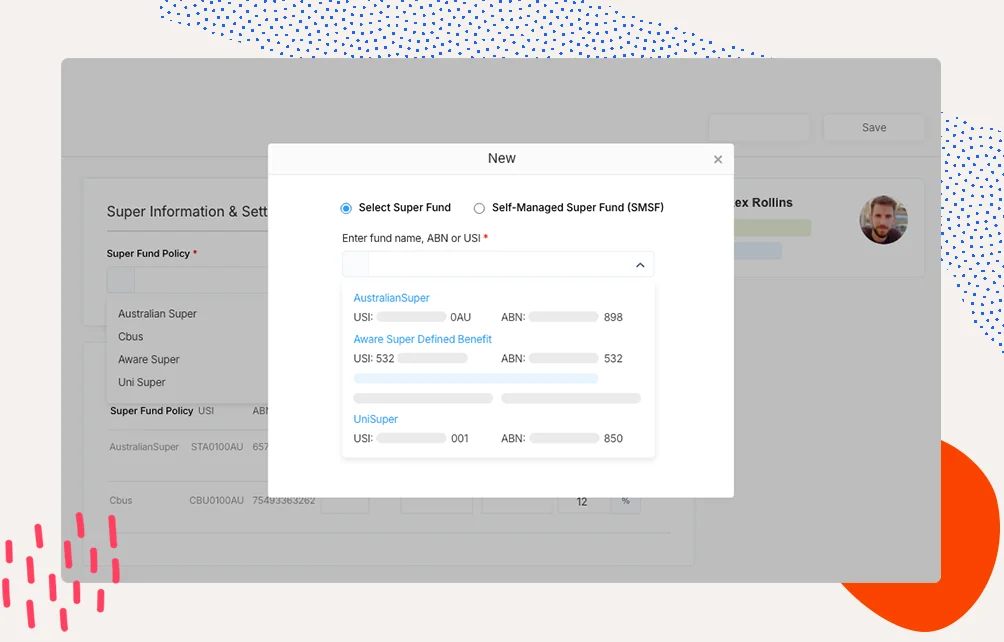
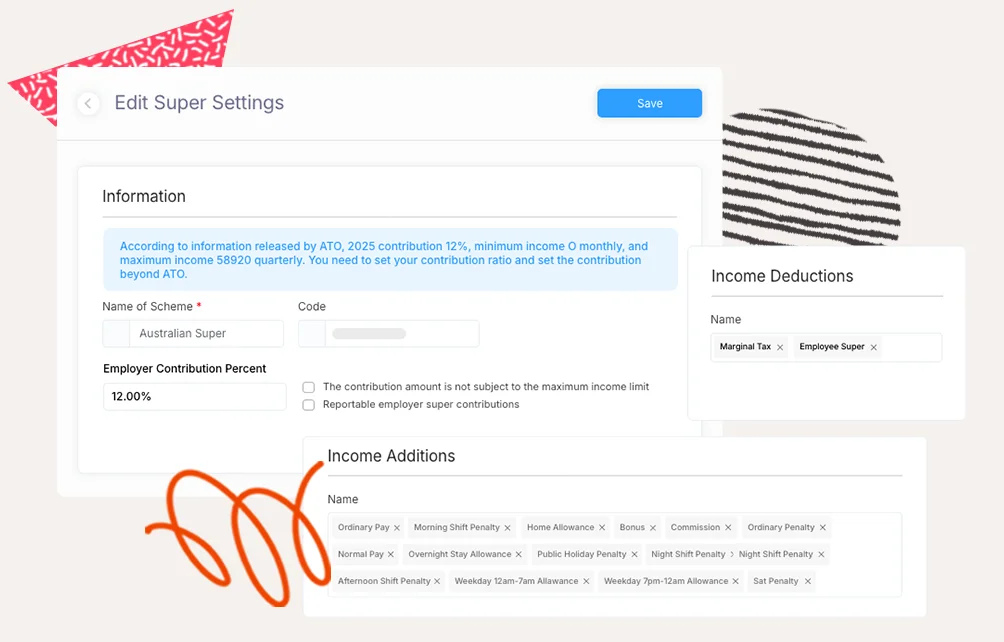
Capture fund choices and set qualifying earnings (QE) correctly from the first onboarding step.
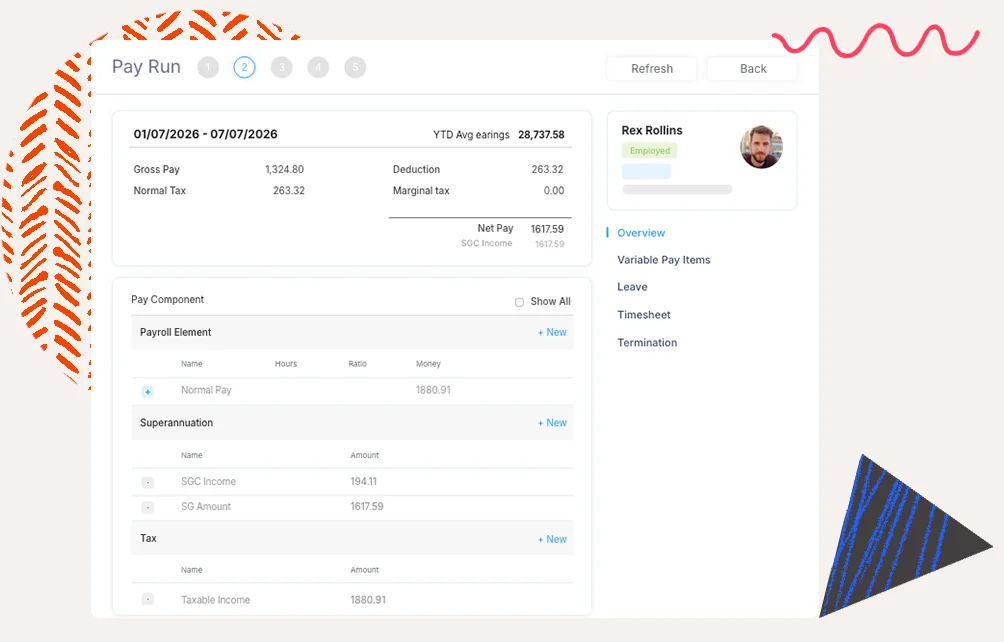
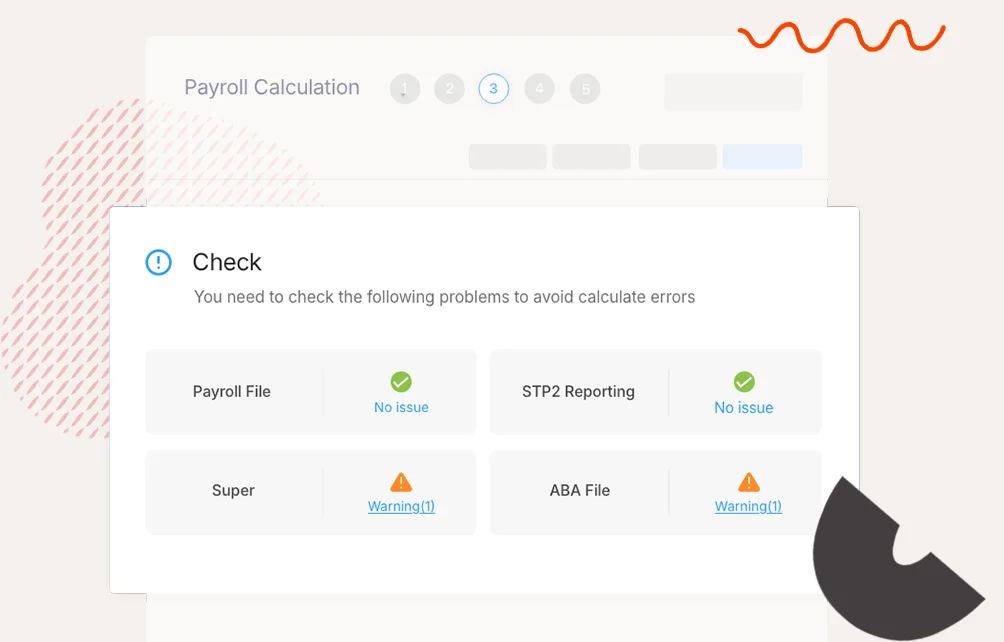
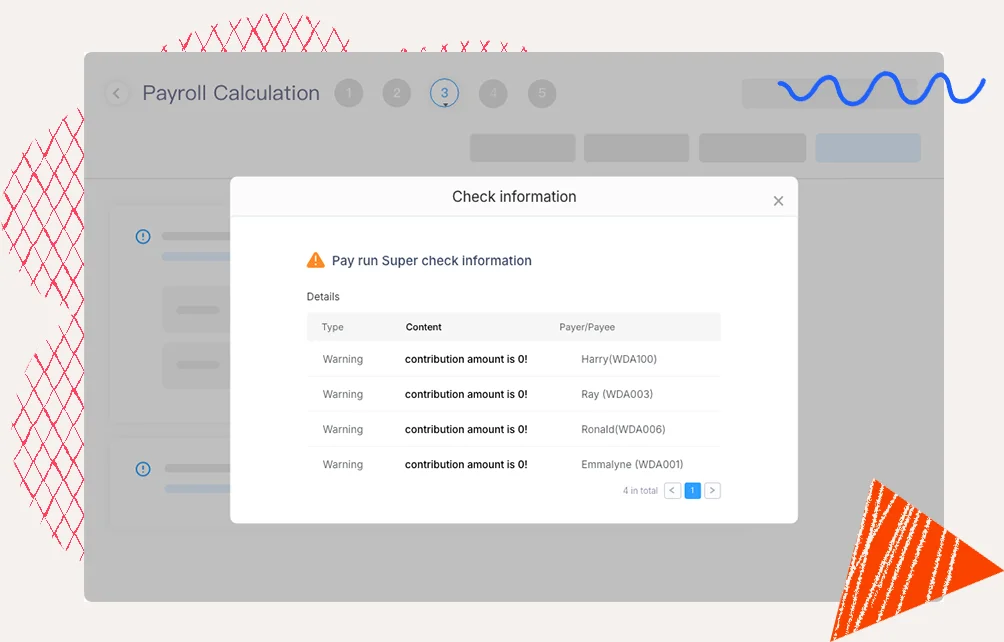
Run wages and super in one flow for a simplified process from calculation to Superstream submission.
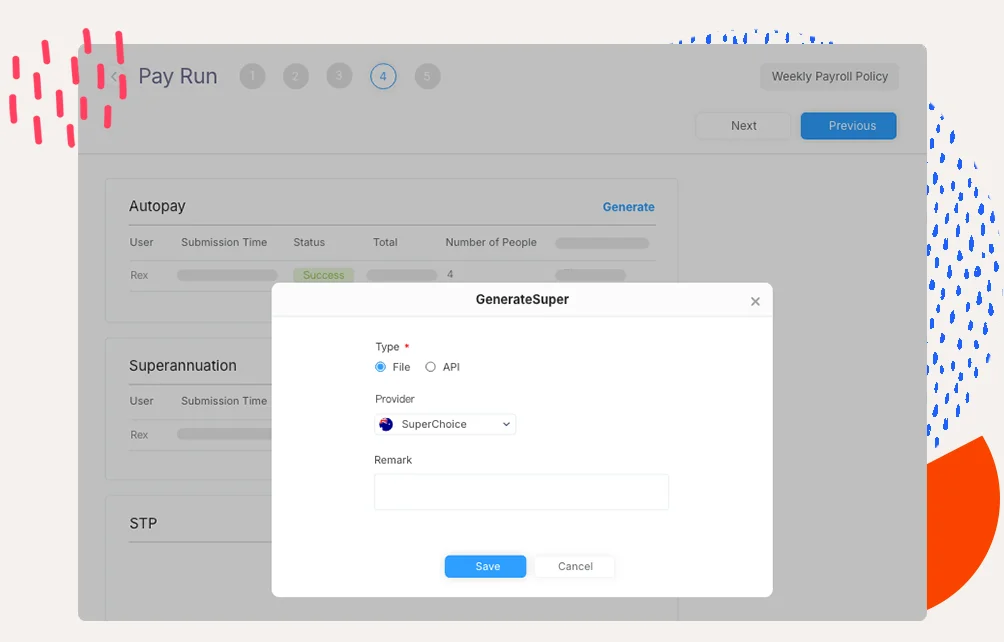
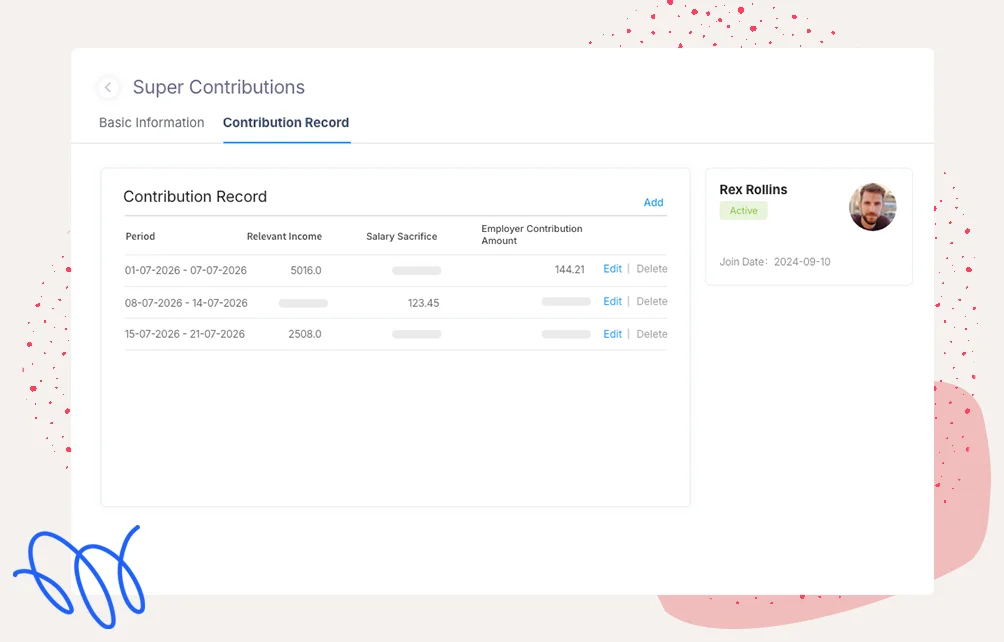
Auto-calculate SG on qualifying earnings and lodge compliant STP2 and SuperStream files every pay run.
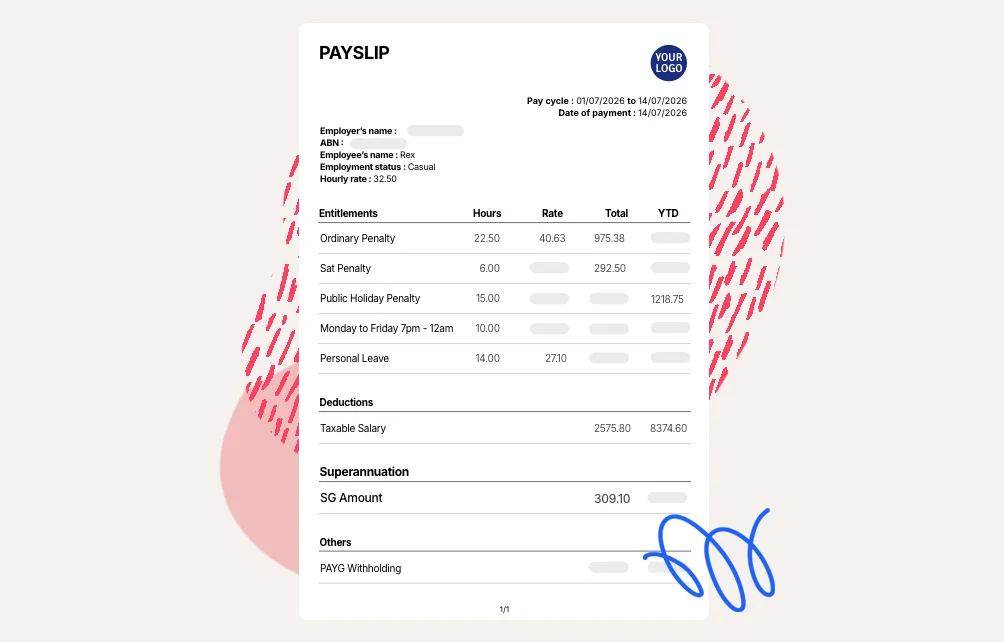
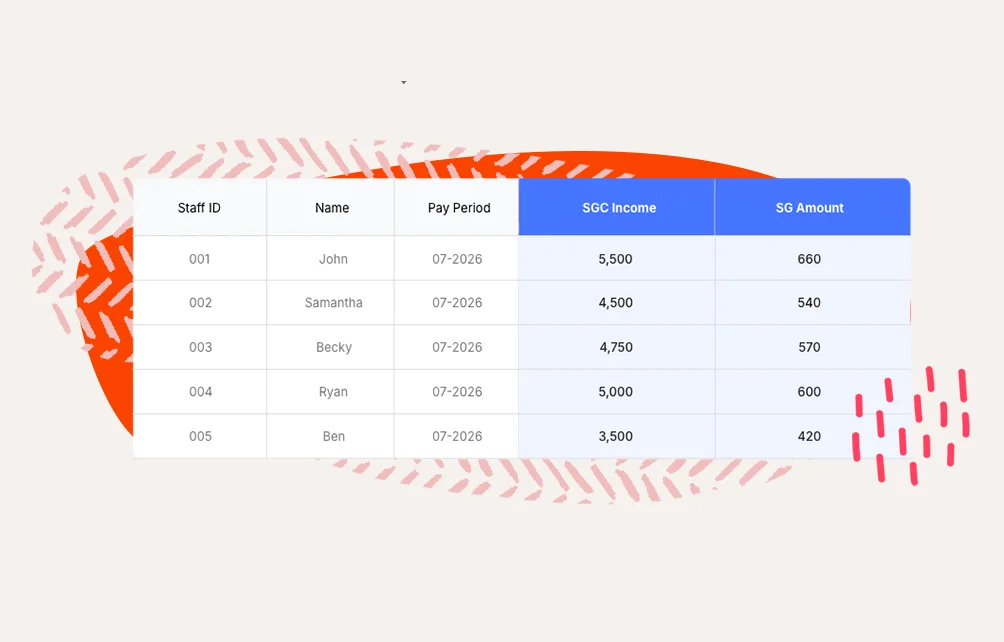
Keep a clear record of every contribution with ready-to-export reports.
What is Payday Super?
Payday Super is a major reform effective 1 July 2026 that requires employers to pay super guarantee contributions to their employees’ super fund on the same day as wages are paid. The contribution must be received by the super fund within 7 business days after payday. Employers must also report both qualifying earnings and super liability through STP.
What is qualifying earnings (QE)?
Qualifying earnings (QE) is a new term for the types of payments made to employees that are used to calculate the minimum super guarantee (SG) that the employer must pay under Payday Super to avoid the super guarantee charge (SGC).
From 1 July 2026, all employers will use qualifying earnings as the base to calculate both the SG amount and the SGC. Currently employers calculate SG and SGC on different earnings bases.
How is QE different to OTE?
Qualifying earnings include the following.
Some payments may fall into more than one category of qualifying earnings, such as commissions. Those payments will only be counted once in full to work out the employee’s qualifying earnings.
For many employees, their QE will equal their OTE.
How does Workstem help me comply with Payday Super?
Workstem automates SG calculations on qualifying earnings, pays contributions on payday and ensures that contributions reach the fund within the 7‑day deadline. It updates the SG rate and rules, generates super files, integrates with clearing houses and reports both QE and liabilities through STP.
Does Workstem support stapled funds?
Workstem records stapled fund details and allows you to request them during onboarding. This ensures you offer the stapled fund alongside the choice form, in line with ATO requirements.
Which superannuation funds are supported by Workstem?
Workstem supports most superannuation funds in Australia, including but not limited to commonly used funds such as AustralianSuper, REST Super, Sunsuper, Hostplus, Cbus Super, HESTA Super, UniSuper, CareSuper, First State Super, and QSuper.
Can I set up multiple superannuation funds in Workstem’s HR system?
Yes, you can easily set up and manage multiple superannuation funds in Workstem’s HR system, including popular funds such as Australian Super, Sunsuper, NGS Super, SMSFs and more. Workstem records detailed contributions and helps you efficiently manage employees’ superannuation contributions, regardless of which fund they are using.
How are the additional contributions set and calculated in Australian superannuation funds?
Workstem’s HR system can calculate and apply additional contributions in Australian superannuation funds automatically, based on a fixed amount or percentage of gross earnings. Employers should ensure compliance with Australian government regulations regarding the limits on additional contributions per financial year.