


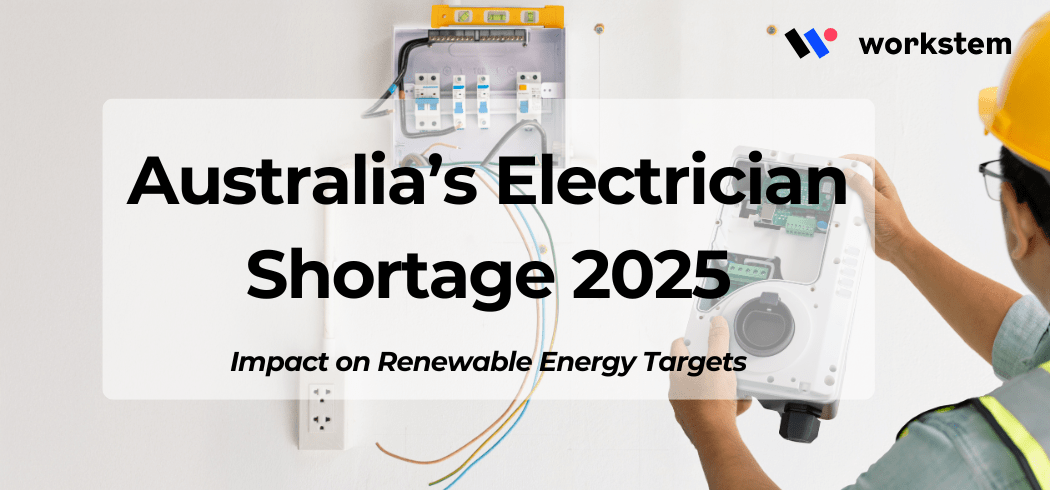
Australia is at a critical juncture in its energy transition. With ambitious goals to achieve net-zero emissions and build 1.2 million new homes by 2030, the nation is grappling with a severe shortage of a key workforce: electricians. This electrician shortage in Australia threatens to derail both renewable energy projects and essential housing construction, putting national policy targets at risk.
The Scale of the Shortage: By the Numbers
Recent reports highlight the severity of the crisis. According to Build-it, Australia’s electrician shortage “may require as many as 42,000” additional workers to support the energy transition and residential construction boom. Similarly, the ABC notes that energy and housing targets are under direct threat, with a projected shortfall of approximately 17,400 workers in the energy sector by 2030. These figures underscore a systemic workforce gap that demands immediate attention.
Impact on Renewable Energy Targets and Housing
The implications of this shortage are far-reaching
- Delayed Renewable Projects: The rollout of solar farms, wind energy projects, and battery storage systems is heavily dependent on skilled electricians for installation, maintenance, and connection to the grid. Without enough workers, project timelines stretch out, jeopardising Australia’s commitment to generating 82% of its electricity from renewable sources by 2030.
- Pressure on Housing Construction: The federal government’s target of building 1.2 million new homes over the next five years is already ambitious. A lack of electricians to wire these new properties, along with upgrading existing homes with energy-efficient solutions, creates a significant bottleneck, potentially increasing construction costs and delays for homeowners.
Root Causes of the Electrician Shortage
Several factors have converged to create this perfect storm.
- Declining Apprentice Intake: The number of people commencing electrical apprenticeships has not kept pace with demand. The long training period and perceived attractiveness of other careers are key contributors.
- Limited Training Capacity: TAFEs and other training providers face capacity constraints, unable to rapidly scale up to meet the sudden surge in demand for skilled trades.
- An Ageing Workforce: Many experienced electricians are nearing retirement, taking their invaluable skills and knowledge out of the workforce faster than new ones are being trained.
Pathways to a Solution: Addressing the Gap
Addressing this shortage requires a multi-faceted approach.
- Boosting Apprentice Incentives: Programs like the New Energy Apprenticeships program, which offers a $10,000 support payment, are crucial for attracting new talent into the field. More such financial incentives can make a trade career more appealing.
- Expanding TAFE Capacity: Significant investment is needed to increase training slots, update facilities, and ensure the curriculum aligns with the latest renewable energy technologies like solar PV and battery storage.
- Skilled Migration: Strategic skilled migration and employer sponsorship programs can provide a short-to-medium term solution to fill immediate gaps in the workforce, especially for large-scale renewable projects.
- Workplace Modernisation: Improving work conditions, embracing technology, and offering clear career progression paths can help retain existing electricians and attract new entrants.
A Call for Coordinated Action
The electrician shortage in Australia is more than a labour market issue; it is a direct threat to the nation’s economic, environmental, and social goals. Overcoming this challenge requires a coordinated effort from governments, industry bodies, training providers, and businesses.
For businesses struggling to manage their workforce amidst this shortage, efficient payroll and compliance management becomes even more critical. Streamlining administrative tasks allows companies to focus on attracting and retaining the skilled talent needed to power Australia’s future.
The time to act is now. By investing in training, incentivising apprentices, and streamlining workforce management, Australia can build the skilled workforce required to achieve its renewable energy and housing ambitions.
Stay Compliant with Workstem’s Award Interpretation!
Simplify award interpretation and payroll processing with Workstem, the all-in-one workforce management & payroll software designed for every industry. Our system supports 122+ modern awards & 34 EAs, including the Electrical Award 2025, and keeps you up-to-date with changes in wage rates, penalty rates, and overtime rules.
Managing Electrical Award (MA000025) payroll? Workstem automates:
- ✔ Pay rates & allowances (2025 updates included)
- ✔ Overtime & penalty calculations
- ✔ Leave accruals & rostering compliance
- Seamless integrations with Xero, NetSuite, and more
Choose from our Standard or Advanced plan to suit your business needs, and stay Fair Work compliant with confidence.
Book a free demo with our payroll experts and experience how Workstem can streamline your payroll and workforce operations.
FAQs About the Electrical Award 2025
Q1: Does MA000025 cover solar installers?
A1: Yes, if they perform electrical work (e.g., wiring, panel installation).
Q2: Are apprentices paid under this award?
A2: Yes, apprentices receive graduated pay rates (40-90% of Level 1 wage).
Q3:How is shift work calculated?
A3:Afternoon shifts: +15%, Night shifts: +30%.
Q4:What’s the minimum engagement period?
A4:4 hours for casuals, 3 hours for part-timers.
Q5: Can Workstem help with casual employee management?
A5: Absolutely. Workstem supports casual loading, dynamic rosters, and real-time tracking to ensure casual workers are paid correctly and fairly under the award.
Q6: Is Workstem compliant with Fair Work and STP2?
A6: Yes, Workstem is fully compliant with Fair Work obligations and Single Touch Payroll Phase 2 (STP2), ensuring seamless reporting to the ATO.
Automate MA000022 compliance with Workstem’s payroll software. [Start Free Trial]
Read More: